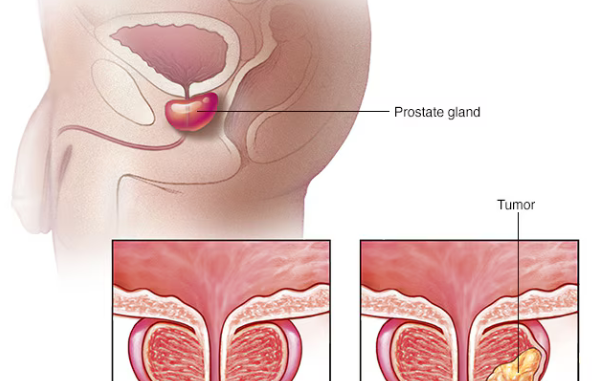
Prostate cancer is one of the most important health conditions men should understand as they grow older. The prostate is a small gland below the bladder. It produces fluid that forms part of semen. Cancer can develop when cells in this gland begin growing abnormally.
One worrying fact is that early prostate cancer may cause no obvious symptoms.
Here are eight important things men should know.
1. Age increases the risk
Prostate cancer becomes more common as men get older, particularly after age 50.
2. Family history matters
Having a father or brother with prostate cancer can increase a man’s risk, especially if the relative was diagnosed at a younger age.
3. Some inherited genes increase risk
Certain inherited genetic changes, including BRCA-related mutations, can increase the risk of prostate cancer.
4. Urinary changes are not always cancer
Difficulty urinating, weak urine flow and frequent nighttime urination may be caused by an enlarged prostate rather than cancer.
5. Early disease may have no symptoms
A man can have prostate cancer without noticing any change in urination or sexual function.
6. PSA is a blood test, not a diagnosis
The prostate-specific antigen test measures a protein in the blood. A raised result can occur for several reasons and does not automatically mean cancer.
7. Screening decisions should be discussed
A doctor can explain the possible benefits and disadvantages of PSA testing based on age, family history and individual risk.
8. Treatment depends on the cancer
Some slow-growing cancers may be monitored closely, while others require surgery, radiotherapy, hormone treatment or other therapies.
Men should not wait until they experience serious symptoms before discussing prostate health. Early conversations with a healthcare professional can help them make informed decisions.
Leave a Reply