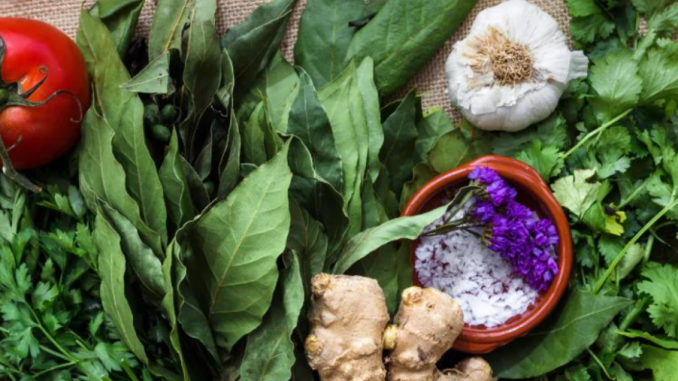
When someone is diagnosed with cancer, family members and friends often rush to recommend natural remedies. Garlic, ginger, bitter leaf, turmeric and other plants are frequently mentioned. Some of these ingredients contain substances that scientists are studying. But there is a big difference between a substance showing activity in a laboratory and a remedy actually curing cancer in humans.
Here are five important facts.
1. Garlic is nutritious, but it is not a cancer cure
Garlic contains plant compounds that have been investigated in scientific research. However, eating garlic cannot replace cancer treatment.
2. Ginger may help with certain symptoms
Some research has examined ginger for nausea, including nausea associated with cancer treatment. It is not a cure for cancer, and patients should discuss supplements with their treatment team.
3. Turmeric is still being studied
Curcumin, a compound found in turmeric, has attracted scientific interest. However, ordinary turmeric or concentrated supplements have not been established as a replacement for cancer treatment.
4. Bitter leaf is not a proven cancer medicine
Bitter leaf is used in Nigerian cooking and traditional practices. But claims that it destroys cancer cells or cures cancer in people are not established by reliable clinical evidence.
5. Delaying treatment can be dangerous
Cancer treatment may involve surgery, chemotherapy, radiotherapy, immunotherapy, targeted medicines or other approaches. The right treatment depends on the type and stage of cancer.
Can someone use natural foods during treatment?
Often, normal foods can remain part of a balanced diet. However, concentrated herbal products and supplements can interact with medicines or affect treatment.
Always tell your doctor about herbs and supplements you are taking.
A healthy diet can support someone living with cancer, but no homemade mixture should be promoted as a cure. The safest approach is evidence-based treatment alongside appropriate nutritional and emotional support.
Leave a Reply