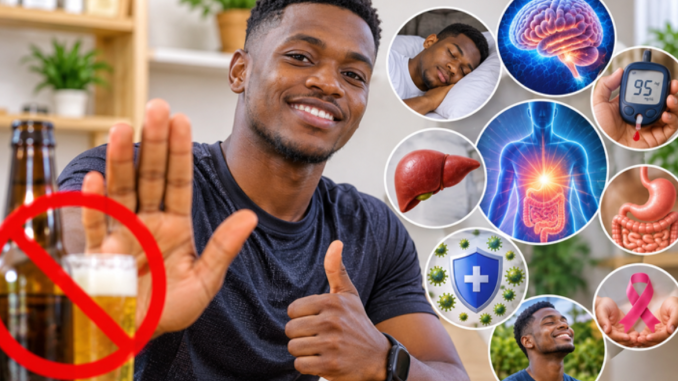
Choosing to give up alcohol for one month – often referred to as “Dry January ” – is a powerful way to improve and support your whole system. By making yourself stop consuming alcohol for 30 days, a huge chain reaction occurs within your internal organs.
According to a clinical article published by Verywell Health, abstaining from alcohol for 30 days helps to cause a number of positive changes inside your body.
Here are eight things that happen when you give up alcohol:
1. Your Nervous System Recalibrates After Early Withdrawal
The first 24-72 hours can be difficult for those who used to drink heavily every day. This is because alcohol is a central nervous system depressant, and when you stop drinking, there will be an overstimulated brain. This can lead to some uncomfortable side effects such as shaky hands, increased feelings of anxiety, disrupted sleep, and increased sweating, according to the National Institute on Alcohol Abuse and Alcoholism (NIAAA). Although these symptoms will peak within the first few days, this will help your nervous system to learn how to function normally.
2. Metabolic Functions Stabilize and Blood Sugar Drops
By giving up going to the bar, your body will begin to process energy differently. A landmark study was performed and published in a British medical journal called The BMJ Open in which those drinking moderately to heavily gave up alcohol for a month.
It was discovered that stopping drinking alcohol can increase insulin sensitivity by almost 25%. Your body will efficiently process glucose due to the cells responding well to insulin, meaning you are less likely to develop type 2 diabetes. With your blood vessels also being relieved by no longer being constricted, your blood pressure will start to drop.
3. Accumulated Fat Safely Clears Out of the Liver
The liver bears the brunt of processing toxins, and regular drinking forces it to prioritize filtering out ethanol over its other vital functions, like managing fats and nutrients. This disruption frequently causes an accumulation of lipids, a condition known as alcohol-related fatty liver disease. Fortunately, liver tissue is remarkably resilient.
Clinical data from the American Liver Foundation notes that within just two to four weeks of complete sobriety, the liver begins to systematically burn off these trapped fat stores. This internal cleansing reduces organ stiffness and helps shield you from future tissue scarring or permanent liver damage.
4. Chronic Digestive Issues and Heartburn Subside
If you suffer from recurring indigestion, stomach discomfort, or acid reflux, it may be down to the regular consumption of alcohol. Alcohol can cause damage to the lining of your GI tract, upset your microbiome, and increase the overproduction of your stomach acid. After 30 days, your digestive system will be given the time it needs to fully heal. Your stomach lining will start to heal, meaning you will be absorbing more nutrients, and you’ll no longer suffer from common issues, including uncomfortable bloat and heartburn.
5. Deep, Restorative Sleep Cycles Return
Many people often drink late at night to help them sleep, but in reality it has the opposite effect. Research from the Sleep Foundation shows that alcohol drastically reduces your REM cycle. The REM cycle is the deep phase of sleep your brain goes into so it can recover. Your natural sleep pattern will return once you are completely alcohol-free, and by week 2 you’ll be in a deep, continuous sleep. You’ll wake feeling refreshed with lasting energy.
6. Brain Chemistry Balances Out to Clear Mental Fog
Alcohol wreaks havoc on the brain’s neurotransmitters, which help regulate your emotions. While it may leave you feeling relaxed initially, this causes the brain to crash. This causes your stress hormones (such as cortisol) to skyrocket. Taking a 30-day break allows your brain to regulate and balance chemicals again. As the month goes on, you will likely see a big difference in your daily anxiety levels (often referred to as “hangxiety”), your short-term memory will improve, your decisions will become quicker, and your overall mood will be much more positive.
7. Immune Defenses Supercharge Against Everyday Illnesses
Regular alcohol consumption makes you extremely susceptible to falling ill with viruses, seasonal illnesses, and bacterial infections. Guidelines from the Centers for Disease Control and Prevention (CDC) state that having a heavy drinking session can cause your white blood cells (which fight off pathogens) to essentially go into a state of shock and not be able to fight off disease for up to 24 hours after you’ve been intoxicated. Taking a month off drinking will give your body time to boost its cellular defenses, making you more efficient at fighting common illnesses.
8. Long-Term Cellular Mutation Risks Decline
While you’ll see great results such as glowing skin and easy weight management, the most important changes will occur at a cellular level. Alcohol is officially classed as a Group 1 carcinogen by the World Health Organization (WHO). Regular consumption can lead to several aggressive cancers, including bowel, esophageal, and breast cancer. Taking a break for 30 days will instantly reduce inflammation within your body and reduce oxidative stress. This gives your cells less work to do and will protect your longevity.
Disclaimer
This article is for information and educational purposes only and should not be used as professional medical advice, diagnosis, or treatment. Suddenly stopping drinking can be dangerous or life-threatening to those with severe alcohol addiction. Please consult your doctor or a qualified health professional with any questions you may have about medical conditions or supervised detox.
Leave a Reply