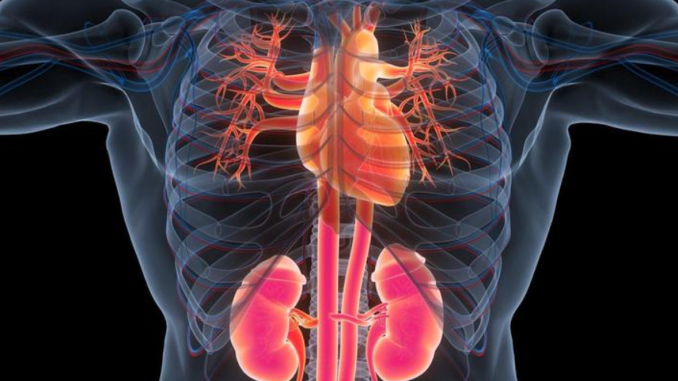
High blood pressure and kidney disease are closely tied: each can cause or worsen the other. About 1 in 5 adults with high blood pressure may have chronic kidney disease (CKD), and high blood pressure is the second leading cause of kidney failure in the United States, after diabetes (National Institute of Diabetes and Digestive and Kidney Diseases [NIDDK], n.d.; Centers for Disease Control and Prevention [CDC], n.d.). Because the damage builds slowly and quietly, many people do not know their kidneys are affected until much of their function is lost. Here is how it happens and what you can do about it.
Why Your Kidneys Are So Vulnerable
Your kidneys contain millions of tiny filters, called nephrons, that clean waste and extra fluid from your blood. This filtering depends on a rich network of small blood vessels, which makes the kidneys especially sensitive to the force of blood pushing through them (NIDDK, n.d.). Hypertension harms the kidneys by damaging blood vessels throughout the body, including those in the kidneys themselves (National Kidney Foundation, n.d.).
How the Damage Builds Over Time
High blood pressure can narrow and stiffen blood vessels, reducing blood flow to the kidneys. Over months and years, the vessels weaken, and the filtering units they supply stop working well. As a result, the kidneys can no longer remove all the waste and extra fluid from the body, and kidney function slowly declines (CDC, n.d.). Even mild high blood pressure can harm the kidneys over several years, while severe, uncontrolled pressure can do so more quickly (NIDDK, n.d.).
A Dangerous Cycle
The relationship works in both directions. When damaged kidneys cannot clear excess fluid, that extra fluid builds up in the blood vessels and raises blood pressure even further, which causes more kidney damage. This feedback loop is why high blood pressure can be both a cause and a result of kidney disease, and why controlling it early matters (NIDDK, n.d.).
The Warning Signs Are Easy to Miss
Most people with high blood pressure have no symptoms, and early kidney disease is just as quiet. As kidney function falls, signs may appear, including generalized itching, numbness, dry or darkened skin, weight loss, muscle cramps, chest pain, or shortness of breath. Since symptoms come late, blood and urine tests are the main way doctors detect kidney problems early. If you have high blood pressure, ask your healthcare provider about kidney testing.
Who Is at Higher Risk?
Anyone with persistently high blood pressure can develop kidney damage, but some factors raise the risk further:
Diabetes, which also damages the kidneys’ blood vessels and filters.
A family history of kidney failure or CKD.
Race or ethnicity: African Americans, Hispanics, and American Indians tend to have a greater risk of CKD (CDC, n.d.; CDC, 2022).
Overweight or obesity, which raises the risk of both high blood pressure and diabetes.
Heart disease, particularly heart failure.
How to Protect Your Kidneys
The best way to slow or prevent kidney damage from high blood pressure is to lower it. Practical steps include:
Check your blood pressure regularly and ask your doctor which target is right for you.
Take prescribed medicines consistently. Two types, ACE inhibitors and ARBs, may protect the kidneys while lowering blood pressure (National Kidney Foundation, n.d.).
Reduce sodium (salt) in your diet and follow a healthy eating plan.
Maintain a healthy weight, stay physically active, and quit smoking.
Manage blood sugar and cholesterol, especially if you have diabetes.
Talk to your doctor about medicines that can harm the kidneys.
Conclusion
High blood pressure rarely harms the kidneys overnight. Over years, it narrows and weakens delicate blood vessels, and the resulting damage can push blood pressure even higher. The encouraging news is that you can often slow or prevent the process. Regular screening, a low-salt diet, an active lifestyle, and consistent treatment can protect your kidneys for the long term.
Disclaimer: This article is for general information only and is not a substitute for professional medical advice. Please consult a qualified healthcare provider about your own blood pressure and kidney health.
Leave a Reply