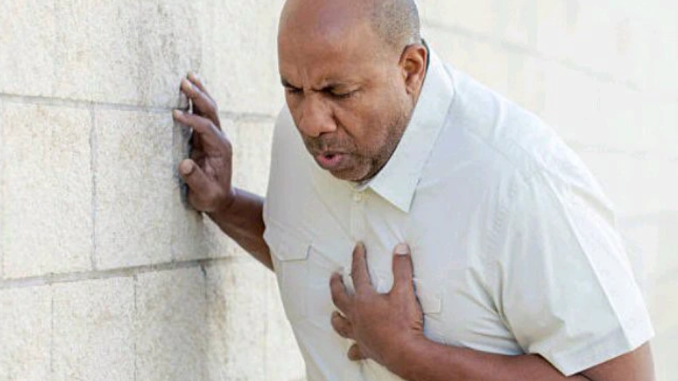
Health professionals are urging the public to recognize the warning signs of a heart attack and seek emergency medical help immediately, especially when alone. Cardiologists warn that quick action during a heart attack can significantly improve survival chances and reduce damage to the heart.
According to medical experts, a heart attack occurs when blood flow to part of the heart becomes blocked, usually due to a blood clot or narrowed arteries caused by coronary artery disease. Without prompt treatment, the heart muscle may become damaged from lack of oxygen.
Doctors say common symptoms of a heart attack may include chest pain or pressure, shortness of breath, dizziness, nausea, sweating, pain spreading to the jaw or arm, and unusual fatigue. Symptoms can vary between individuals, particularly in women, older adults, and people with diabetes.
If someone suspects they are having a heart attack while alone, emergency medical services should be contacted immediately. Health experts strongly advise against ignoring symptoms or trying to “wait it out.” Calling an ambulance is considered safer than attempting to drive to the hospital alone.
Medical professionals also recommend staying as calm as possible while waiting for help. Sitting down, resting, and avoiding physical exertion may help reduce strain on the heart. If a person has been medically advised to take aspirin during a suspected heart attack and has no allergy or contraindication, emergency guidelines in some countries suggest chewing one standard aspirin while awaiting medical assistance. However, doctors emphasize that individuals should follow professional medical advice specific to their health condition.
Cardiologists caution against dangerous misinformation often shared online about heart attacks. Experts specifically warn that coughing repeatedly to “survive” a heart attack, known as “cough CPR,” is not recommended for ordinary people outside of specific monitored medical situations.
Doctors also advise against heavy exercise, walking long distances, or attempting self-treatment during a suspected heart attack. Immediate professional medical care remains the safest and most effective response.
Risk factors associated with heart disease include high blood pressure, smoking, diabetes, high cholesterol, obesity, lack of exercise, stress, and family history of heart conditions. Health professionals encourage regular checkups and healthier lifestyles to reduce these risks.
Medical experts continue to stress that recognizing symptoms early and acting quickly can save lives. Anyone experiencing possible heart attack symptoms is advised to seek emergency medical attention immediately rather than relying solely on home remedies or internet advice.
Leave a Reply