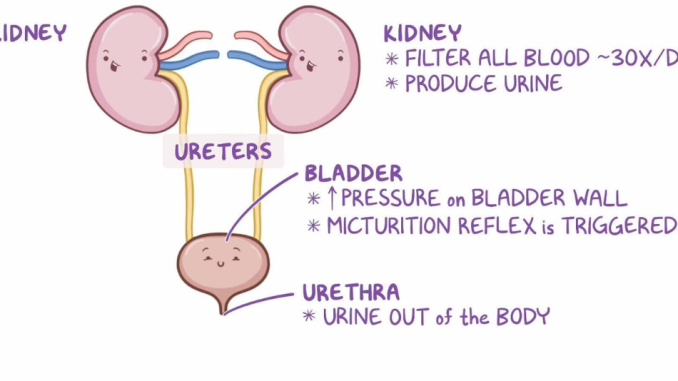
Seeing blood in your urine can be frightening, but some people may ignore it if there is no pain or if it happens only once. Blood in urine, also called haematuria, is not always caused by a serious illness, but it should always be checked by a healthcare professional. The cause cannot be reliably identified by colour or symptoms alone.
1. It may be caused by a urinary tract infection
A urinary tract infection can cause blood in the urine, burning during urination, frequent urination, or discomfort in the lower abdomen. Some people also develop fever or pain in the side or back. Treatment depends on the cause, so do not rely on leftover antibiotics or medicines bought without proper assessment.
2. Kidney or bladder stones can cause bleeding
Stones may irritate the urinary tract and lead to blood in the urine. They can also cause severe pain in the side, back, or lower abdomen, although symptoms vary. A clinician may need urine tests or imaging to confirm whether stones are present.
3. Kidney disease is another possible cause
Some kidney conditions affect the filtering structures inside the kidneys and can cause blood or protein to appear in urine. Swelling, changes in urination, or high blood pressure may occur in some cases, but there may be few symptoms early on.
4. Prostate problems may play a role in men
An enlarged or inflamed prostate can cause urinary symptoms, especially in older men. These may include a weak urine stream, difficulty starting urination, or frequent urination at night. Blood in the urine still needs proper evaluation rather than being automatically attributed to the prostate.
5. It can sometimes be a sign of cancer
Bladder or kidney cancer can cause visible blood in urine, sometimes without pain. This does not mean that everyone with blood in their urine has cancer, but it is one reason not to ignore the symptom, particularly if it recurs or you have risk factors such as smoking.
6. Know when to seek urgent care
Seek urgent medical attention if you cannot pass urine, have heavy bleeding or clots, experience severe pain, develop fever with back or side pain, or feel faint or very unwell. Even if the urine returns to its usual colour, arrange a medical assessment.
Final thoughts
Blood in the urine is a symptom, not a diagnosis. Drink fluids normally unless a clinician has told you to restrict them, and do not delay an examination because the bleeding stops. Prompt assessment can help identify the cause and ensure you receive the right treatment.
Leave a Reply