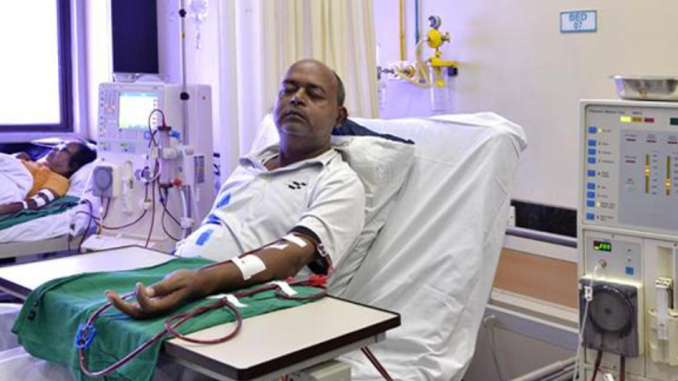
Dialysis is a medical treatment that helps remove waste products and excess fluid from the blood when the kidneys can no longer do enough of this work. Hearing that dialysis may be necessary can be frightening, but understanding the treatment can help patients and families prepare.
Here are seven important facts.
1. Dialysis replaces some kidney functions: It helps remove waste and excess fluid, but it does not completely replace every function of healthy kidneys.
2. There are different types: Haemodialysis uses a machine to filter blood, while peritoneal dialysis uses the lining of the abdomen as a filtering surface.
3. Treatment schedules vary: Many people receiving haemodialysis at a centre attend several times each week. Home treatment arrangements may differ.
4. Access is needed: Haemodialysis usually requires a suitable blood vessel access, often an arteriovenous fistula. Peritoneal dialysis requires a catheter in the abdomen.
5. Diet and fluids may need adjustment: Some patients need to monitor salt, potassium, phosphorus and fluid intake. Advice should be individualised.
6. Treatment can affect daily life: Fatigue, travel arrangements, work schedules and emotional stress may need attention.
7. Transplantation may be an option: Some suitable patients may be assessed for a kidney transplant, although not everyone is eligible.
What should families ask?
Ask the kidney specialist why dialysis is being recommended, which type is suitable, what the schedule will be and what warning signs require urgent care.
Never delay emergency treatment because of fear or misinformation about dialysis.
Dialysis is a life-supporting treatment for people with kidney failure. With medical supervision, education and family support, many patients continue to work, spend time with loved ones and take part in everyday activities.
Leave a Reply