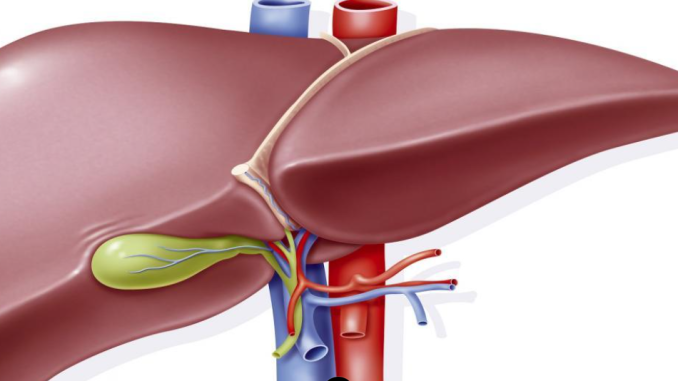
The liver performs many essential functions, including processing nutrients, storing energy and helping remove harmful substances from the blood. Liver cancer can develop when abnormal cells grow uncontrollably in this organ.
Here are seven factors that can increase the risk.
1. Chronic hepatitis B: Long-term hepatitis B infection is a major risk factor for liver cancer. Vaccination can prevent hepatitis B infection.
2. Chronic hepatitis C: Long-lasting hepatitis C infection can cause liver damage and increase cancer risk. Effective treatments are available.
3. Liver cirrhosis: Severe scarring of the liver, known as cirrhosis, increases the risk of liver cancer, regardless of its original cause.
4. Heavy alcohol consumption: Long-term excessive alcohol use can damage the liver and contribute to cirrhosis.
5. Fatty liver disease: Metabolic dysfunction-associated steatotic liver disease can sometimes progress to inflammation and advanced scarring, increasing cancer risk in some people.
6. Aflatoxin exposure: Aflatoxins are harmful substances produced by certain moulds that can contaminate poorly stored crops, including maize and groundnuts.
7. Certain inherited or metabolic conditions: Some uncommon diseases that affect iron storage or other liver functions can increase the risk.
What can people do?
Hepatitis B vaccination, hepatitis testing and treatment, avoiding heavy alcohol use and managing diabetes and excess weight can help reduce some risk factors.
Store grains and nuts properly, discard mouldy food and avoid eating visibly contaminated products.
Liver cancer may not cause clear symptoms in its early stages. People with chronic hepatitis or cirrhosis should discuss appropriate monitoring with their healthcare professionals.
Having a risk factor does not mean someone will develop cancer. However, understanding these factors can help people take preventive steps and seek suitable medical care.
Leave a Reply