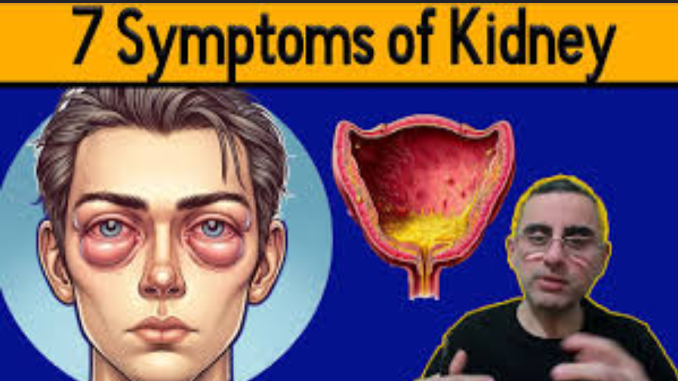
Your kidneys work continuously to remove waste products and maintain the body’s fluid and mineral balance. Unfortunately, certain everyday habits can increase the risk of kidney damage, particularly when repeated over many years.
Here are seven habits worth changing.
1. Taking painkillers too frequently
Some painkillers, especially non-steroidal anti-inflammatory drugs (NSAIDs) such as ibuprofen and diclofenac, can reduce blood flow to the kidneys. Frequent or excessive use may cause kidney injury, particularly in people with existing kidney problems.
2. Ignoring high blood pressure
Uncontrolled high blood pressure can damage the tiny blood vessels inside the kidneys. Over time, this may reduce their ability to filter blood properly.
3. Allowing diabetes to remain uncontrolled
Persistently high blood sugar can damage the kidney’s filtering units. Diabetes is one of the leading causes of chronic kidney disease.
4. Eating too much salt
Excessive salt intake can contribute to high blood pressure, which increases the risk of kidney damage. Reduce frequent consumption of heavily salted foods and seasoning products.
5. Smoking cigarettes
Smoking damages blood vessels and can worsen conditions that affect kidney function. It also increases the risk of cardiovascular disease.
6. Frequently using unverified herbal mixtures
Some herbal products may contain harmful substances, undisclosed ingredients or contaminants. Others may interact with prescribed medication or directly injure the kidneys.
7. Ignoring repeated urinary problems
Repeated urinary infections, kidney stones and urinary blockages can sometimes damage the kidneys if not properly treated. Persistent symptoms deserve medical assessment.
How can you reduce your risk?
Maintain healthy blood pressure, manage diabetes, exercise regularly, eat a balanced diet and avoid unnecessary medication use.
Drink enough water to meet your body’s needs, but remember that people with advanced kidney disease or certain heart conditions may need specific fluid restrictions.
If you have diabetes, high blood pressure or a family history of kidney disease, discuss regular kidney-function tests with your healthcare professional.
Editorial note: These topics are suitable for general health education, but symptoms should never be presented as proof of a particular disease. Encourage readers to seek testing and professional medical advice rather than self-diagnosing.
I can prepare another batch focused on breast cancer, prostate cancer, cervical cancer, kidney failure, dialysis, HIV testing, AIDS and blood-group compatibility in the same approximately 300-word format.
Leave a Reply