Many people know their blood group because they have undergone a medical test, donated blood or prepared for surgery. However, there is still confusion about what blood groups mean and whether they determine a person’s personality or future health.
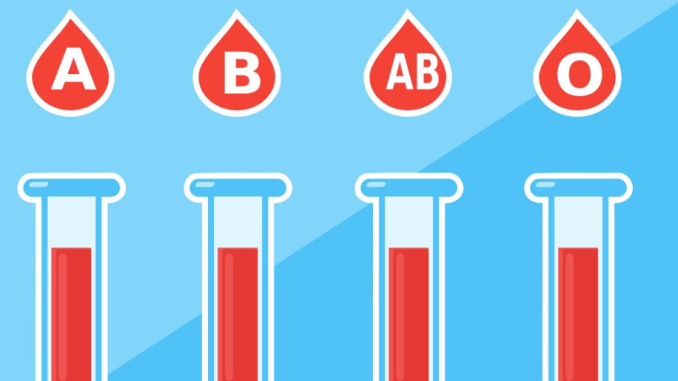
The main ABO blood groups are A, B, AB and O. Each can also be positive or negative depending on the Rhesus, or Rh, factor. These differences matter because the immune system can react dangerously to incompatible blood during a transfusion.
Knowing your blood group is useful, but it does not tell you everything about your health or predict exactly which diseases you will develop.
1. Blood Group A
People with group A have A antigens on their red blood cells. Some research has found associations between blood groups and certain health conditions, but this does not mean everyone with group A will develop those conditions.
2. Blood Group B
People with group B have B antigens. Their blood group is important when doctors select compatible blood for transfusion.
3. Blood Group AB
People with AB blood have both A and B antigens. They can generally receive red blood cells from all ABO groups, subject to Rh status and other compatibility checks.
4. Blood Group O
People with group O have neither A nor B antigens on their red blood cells. O-negative red blood cells may be used in some emergencies when a patient’s blood group is unknown, but hospitals follow strict transfusion protocols.
5. The Positive or Negative Sign
The plus or minus sign refers to the Rh factor. It is especially important during pregnancy because Rh incompatibility can sometimes cause complications if not managed properly.
Final Thoughts
Your blood group does not determine your character, intelligence or marriage compatibility. It is useful medical information that can help healthcare professionals make safe decisions. If you do not know your blood group, ask a healthcare provider about testing. Never assume that two people can safely exchange blood simply because their groups appear similar.
Leave a Reply