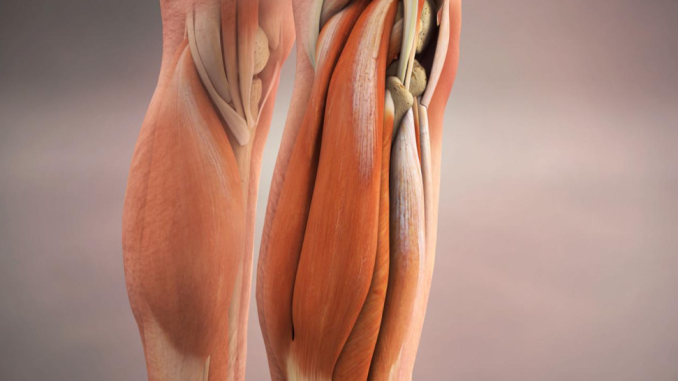
Have you ever noticed a small muscle in your leg, arm or eyelid moving repeatedly without your control? These movements are often called muscle twitches or fasciculations. They are commonly harmless, but repeated or widespread twitching may sometimes deserve medical attention.
1. Stress and anxiety: Emotional stress can increase muscle tension and make twitching more noticeable.
2. Lack of sleep: Poor sleep may affect the nervous system and contribute to muscle twitching.
3. Caffeine: Large amounts of coffee, energy drinks or strong tea may trigger twitching in some people.
4. Physical exhaustion: Muscles may twitch after strenuous exercise or prolonged physical activity.
5. Dehydration: Losing fluids through sweating or illness may contribute to muscle cramps and twitching.
6. Electrolyte disturbances: Abnormal levels of minerals such as calcium, potassium or magnesium can affect normal muscle and nerve function.
7. Nerve-related conditions: Occasionally, persistent twitching accompanied by weakness or muscle wasting may indicate a neurological problem.
What should you do? Get adequate sleep, stay hydrated, moderate caffeine and allow muscles to recover after exercise.
Arrange a medical assessment if twitching continues, spreads or occurs alongside muscle weakness, loss of muscle size, numbness or difficulty walking. Sudden weakness on one side of the body is an emergency.
Final thoughts: An occasional eyelid or leg twitch is usually not a reason to panic. However, persistent twitching with other neurological symptoms should be properly investigated.
Leave a Reply