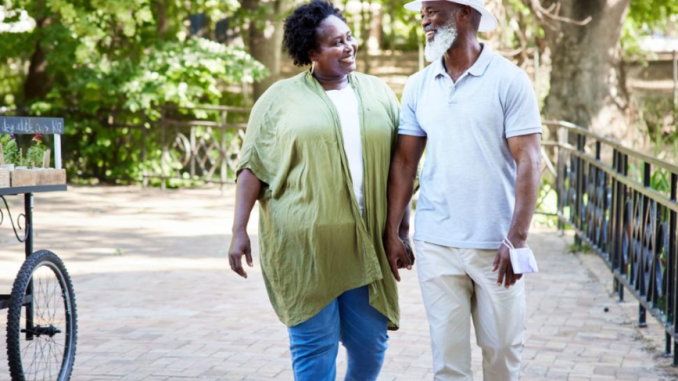
Many people finish eating and immediately sit down or lie on the sofa. However, taking a gentle walk after a meal can be a simple habit that supports general health.
1. It supports blood sugar control: Light activity after eating can help muscles use glucose, reducing the size of blood sugar rises in some people.
2. It encourages movement: A short walk helps break up long periods of sitting, which is beneficial for general health.
3. It may improve digestion comfort: Gentle movement can help some people feel less bloated after eating, although it does not treat digestive diseases.
4. It supports heart health: Walking regularly contributes to physical activity, which supports cardiovascular health.
5. It can improve mood: Spending time outdoors and moving your body may help reduce stress and improve your mood.
6. It can contribute to weight management: Walking uses energy. When practised regularly alongside balanced eating, it can contribute to managing body weight.
7. It may help build a healthy routine: A short walk after meals can become an easy way to include more physical activity in your day.
How long should you walk? Start with a gentle walk of around 10 to 15 minutes after eating if you feel comfortable. You do not need to walk quickly or engage in strenuous exercise immediately after a meal.
People with certain heart conditions, mobility problems or medical restrictions should follow professional advice.
Final thoughts: Walking after eating is not a cure for diabetes or digestive problems, but it is a practical habit that can support an active lifestyle. Consistency matters more than walking a very long distance on one occasion.
Leave a Reply