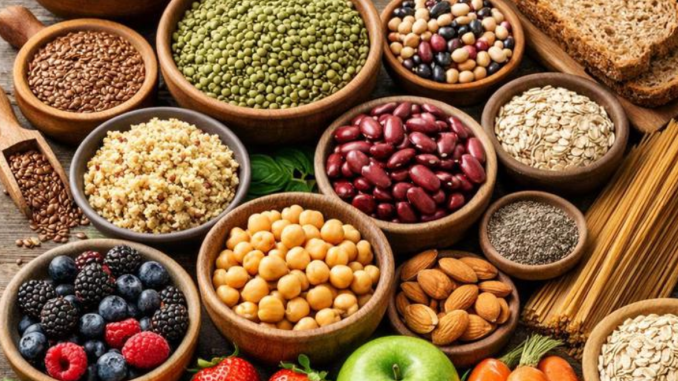
Eating well with diabetes doesn’t have to be expensive. In Kenya, many nutritious foods are readily available in local markets and shops. From beans and green grams to sukuma wiki and omena, these everyday foods can help you prepare balanced meals without straining your budget.
Diabetes affects how the body regulates blood glucose, commonly known as blood sugar. For people living with the condition, food choices, portion sizes, and meal combinations can influence blood glucose levels. However, managing diabetes does not mean avoiding all carbohydrates or buying expensive specialty foods.
The key is to eat a variety of nutritious foods, watch portion sizes, and combine carbohydrate-rich foods with vegetables, protein, and healthy fats when possible.
Here are 15 affordable foods that people managing diabetes in Kenya can include in their daily meals.
1. Beans
Beans are among the most affordable and versatile foods for people managing diabetes. Common varieties in Kenya include red kidney beans, yellow beans, and black beans.
They provide plant-based protein, fiber, and complex carbohydrates. Fiber supports digestive health and can slow carbohydrate absorption, while protein helps make meals more satisfying.
Serve beans with a moderate portion of ugali or rice, alongside vegetables such as sukuma wiki or cabbage. You can also add them to vegetable stews.
How to eat them: Boil beans until tender, then prepare them with tomatoes, onions, and a small amount of cooking oil. Limit excessive salt and avoid heavily salted preparations.
2. Green Grams (Ndengu)
Green grams, commonly known as ndengu, are a popular and affordable source of plant-based protein in Kenya. They also provide fiber, vitamins, and minerals.
Their protein-and-fiber combination makes them a useful addition to balanced meals. Although green grams contain carbohydrates, they can fit into an eating plan designed to support blood glucose management.
Serve ndengu with a moderate portion of ugali, rice, or chapati, accompanied by vegetables.
How to eat them: Cook green grams until tender, then prepare them with tomatoes, onions, and carrots. Use a modest amount of oil, and watch your portions of ndengu and any accompanying starchy foods.
3. Cowpeas (Kunde or Black-Eyed Peas)
Cowpeas are another affordable legume commonly eaten in Kenya. Their seeds provide plant-based protein, fiber, and several essential nutrients.
Cowpea leaves are also nutritious, though their composition differs from the seeds. The leaves provide vitamins, minerals, and fiber, while the seeds contain more carbohydrates and protein.
Serve cooked cowpeas with vegetables and a moderate portion of a staple food.
How to eat them: Boil dried cowpeas until soft, then prepare them with tomatoes, onions, and other vegetables. If using cowpea leaves, wash them thoroughly and cook them properly before serving.
4. Lentils
Lentils are worth considering when they are affordable. Although they may be less common than beans or ndengu in some Kenyan households, they offer useful nutritional benefits.
They provide plant-based protein, fiber, iron, and other nutrients. Their fiber can make meals more satisfying, while their protein supports a balanced diet.
Lentils also cook relatively quickly compared with many dried beans, potentially saving time and cooking fuel.
How to eat them: Prepare lentil stew with tomatoes, onions, and spices. Serve it with vegetables and a suitable portion of ugali or another staple food.
5. Sukuma Wiki
Sukuma wiki is one of the most accessible vegetables in Kenya and is a valuable addition to meals for people managing diabetes.
It provides fiber, vitamins, and minerals while being relatively low in carbohydrates. This makes it useful for increasing vegetable intake without adding large amounts of carbohydrates.
Sukuma wiki pairs well with beans, eggs, fish, chicken, and other protein sources. It also pairs well with ugali, rice, and other staples.
How to eat it: Cook sukuma wiki with onions and tomatoes using a modest amount of oil. Limit excessive salt and salty seasoning products.
6. Spinach
Spinach is another nutritious leafy vegetable you can include in a diabetes-friendly eating plan.
It provides fiber, folate, and other vitamins and minerals. Like other non-starchy vegetables, spinach contains relatively little carbohydrate per serving.
Adding spinach to meals increases vegetable variety while providing important nutrients.
How to eat it: Lightly cook spinach with onions and tomatoes, or combine it with other leafy greens. Serve it alongside a protein source and an appropriate portion of a carbohydrate-rich food.
7. Cabbage
Cabbage is widely available in Kenyan markets and is often an economical option for families.
It is a non-starchy vegetable that provides fiber, vitamin C, and other nutrients. Its relatively low carbohydrate content makes it a useful choice for people who want to increase their vegetable intake while managing blood glucose.
Cabbage pairs well with beans, eggs, fish, meat, and other protein sources. You can also add it to vegetable stews and salads.
How to eat it: Steam, lightly boil, or stir-fry cabbage using a small amount of oil. Avoid preparations containing excessive oil, salt, or added sugar.
8. Managu (African Nightshade)
Managu is a traditional leafy vegetable eaten in many Kenyan households. It provides vitamins, minerals, and fiber and adds variety to everyday meals.
Like other non-starchy leafy vegetables, managu can form part of a balanced eating plan for people managing diabetes.
Its availability and price vary by season and location, so it may be more affordable in some markets than others.
How to eat it: Wash the leaves thoroughly and cook them properly. Prepare them with tomatoes and onions, then serve them with beans, fish, or a moderate portion of ugali.
9. Kunde Leaves (Cowpea Leaves)
Kunde leaves are another familiar and nutritious vegetable in Kenya. They can help households increase their intake of leafy greens without relying on more expensive options.
They provide fiber and several vitamins and minerals. Their relatively low carbohydrate content makes them suitable for inclusion in meals designed to support blood glucose management.
Kunde leaves pair well with beans, eggs, fish, and other protein sources.
How to eat them: Wash the leaves thoroughly and cook them until tender. Season with onions and tomatoes, using a moderate amount of oil and limiting added salt.
10. Eggs
Eggs are a useful source of high-quality protein and are often more affordable than some other animal protein foods.
They contain very little carbohydrate, so they generally have little direct effect on blood glucose when eaten on their own. They also provide nutrients such as vitamin B12 and choline.
Eggs can make breakfast more satisfying and offer an alternative to meals consisting mainly of bread, mandazi or other carbohydrate-rich foods.
How to eat them: Boil eggs, prepare a vegetable omelet, or scramble them with tomatoes and onions using a modest amount of oil. Serve them with vegetables and an appropriate portion of a carbohydrate-rich food.
People with high cholesterol or other health concerns may benefit from personalized dietary advice from a qualified healthcare professional.
11. Omena
Omena, a small freshwater fish commonly eaten in Kenya, is a useful source of protein and other nutrients. Depending on how it’s prepared, it can also provide calcium and other minerals.
Protein helps maintain body tissues and makes meals more satisfying. Omena can be an affordable alternative to more expensive fish or meat.
However, the nutritional value of the final dish depends partly on how you prepare the fish.
How to eat it: Clean and cook omena thoroughly, then prepare it with tomatoes and onions. Use a modest amount of oil and limit added salt, particularly when using dried or salted fish.
Serve it with vegetables and a suitable portion of ugali, rice or another staple.
12. Groundnuts (Peanuts)
Groundnuts are widely available in Kenya and provide plant-based protein, unsaturated fats and some fiber.
Their protein and fat content can help make snacks more satisfying. However, groundnuts are energy-dense, so portion size matters.
They can be a practical alternative to highly processed snacks that contain substantial amounts of added sugar or salt.
How to eat them: Choose plain, unsalted roasted or boiled groundnuts where possible. A small handful can make a convenient snack. Be mindful of portion sizes and avoid products with added sugar.
People with a peanut allergy should avoid groundnuts.
13. Avocados
Avocados contain mostly unsaturated fats, along with fiber and other nutrients. They add flavor and texture to meals while making them more satisfying.
Unlike many fruits, avocados are relatively low in carbohydrates. However, they are energy-dense, so eat moderate portions.
Avocados can be affordable when in season, although prices vary by location and availability.
How to eat them: Add a moderate portion of avocado to meals containing vegetables, beans, eggs or fish. Choose fresh avocado rather than products containing added sugar or excessive salt.
14. Sweet Potatoes
Sweet potatoes are a common and accessible source of carbohydrates in Kenya. They provide energy, fiber, and nutrients such as beta-carotene, particularly in orange-fleshed varieties.
People managing diabetes do not necessarily need to avoid sweet potatoes. However, they contain carbohydrates and can raise blood glucose, especially when eaten in large portions.
The amount you eat and the foods you serve alongside them matter.
How to eat them: Boil or steam sweet potatoes rather than frequently deep-frying them. Serve a moderate portion with eggs, beans, or another protein source, together with non-starchy vegetables.
Remember that sweet potatoes contribute to your meal’s total carbohydrate content.
15. Whole Maize Flour for Ugali
Ugali is a staple food in many Kenyan households, and people managing diabetes do not automatically need to eliminate it.
Maize flour provides carbohydrates, which the body breaks down into glucose. Whole maize flour may contain more fiber than refined maize flour, depending on the processing method, but both can affect blood glucose.
The type of flour, portion size, and foods served alongside ugali all matter.
How to eat it: Choose whole maize flour when it is affordable and available. Serve a moderate portion of ugali with plenty of sukuma wiki, cabbage, or other non-starchy vegetables, plus a protein source such as beans, omena, or eggs.
Avoid making ugali the main component of every meal without including other food groups. The appropriate portion depends on your nutritional needs, activity level, medication, and blood glucose response.
How to Build an Affordable, Diabetes-Friendly Meal
Choosing nutritious foods is important, but how you combine them also matters. A balanced meal can help you manage carbohydrate intake while providing protein, fiber, vitamins, and minerals.
One practical approach is the plate method:
Half the plate: Non-starchy vegetables, such as sukuma wiki, spinach, cabbage, kunde, or managu.
One-quarter of the plate: Protein-rich foods, such as beans, ndengu, omena, or eggs.
One-quarter of the plate: Carbohydrate-rich foods, such as ugali, rice, or sweet potatoes.
This is a general guide rather than a strict rule. Suitable portions vary based on individual health needs, medication, activity levels, and nutritional requirements.
Tips for Eating Well on a Budget When You Have Diabetes
Managing diabetes does not require buying expensive specialty foods. These practical strategies can help you prepare nutritious meals while keeping food costs down.
View pictures in App save up to 80% data.
1. Buy seasonal vegetables. Seasonal vegetables may cost less than those that are less readily available. Compare prices at local markets and choose a variety of affordable options.
2. Eat beans and other legumes regularly. Beans, ndengu, cowpeas, and lentils provide protein and fiber and can reduce reliance on more expensive protein sources.
3. Plan meals before shopping. Planning several meals around ingredients you already have can reduce food waste and unnecessary spending.
4. Prepare meals at home where possible. Home cooking makes it easier to control portion sizes and how much oil, salt, and added sugar you use.
5. Choose water instead of sugary drinks. Water is generally an affordable everyday drink and avoids the added sugar found in regular soft drinks, sweetened juices, and other sugary beverages.
6. Pay attention to portions. Even nutritious carbohydrate-rich foods can raise blood glucose when eaten in large amounts. Consider the portions of ugali, rice, sweet potatoes and other starchy foods in each meal.
7. Follow your prescribed treatment. Healthy eating supports diabetes management but does not replace prescribed medication, blood glucose monitoring or regular medical care.
Do People With Diabetes Need to Avoid Certain Foods?
A diabetes diagnosis does not mean you must remove every carbohydrate-containing food from your diet.
Foods such as ugali, rice, beans, sweet potatoes, and certain fruits can fit into an appropriate eating plan. Their effects on blood glucose depend on factors such as portion size, preparation, the overall meal, and individual responses.
The goal is to develop a sustainable eating pattern rather than follow an unnecessarily restrictive diet. A registered dietitian or qualified healthcare professional can help you identify suitable portions and make adjustments based on your treatment and blood glucose readings.
People taking insulin or certain diabetes medicines should consult their healthcare team before making major changes to their carbohydrate intake or meal schedule, as some treatments can increase the risk of low blood sugar.
Final Thoughts
Managing diabetes in Kenya does not have to mean spending more money on food or abandoning traditional meals. Affordable options such as beans, ndengu, sukuma wiki, cabbage, omena, eggs, groundnuts and sweet potatoes can all contribute to a balanced diet.
What matters most is the overall eating pattern, including food variety, portion sizes, preparation methods and the balance of carbohydrates, protein and vegetables.
By choosing affordable local foods, planning meals and following personalized medical advice, people living with diabetes can work towards better blood glucose management without placing unnecessary pressure on their household budgets.
Disclaimer: This article is for general educational purposes and is not a substitute for personalized medical or dietary advice. Anyone living with diabetes should consult a qualified healthcare professional to develop an eating plan appropriate to their treatment and individual needs.
Leave a Reply