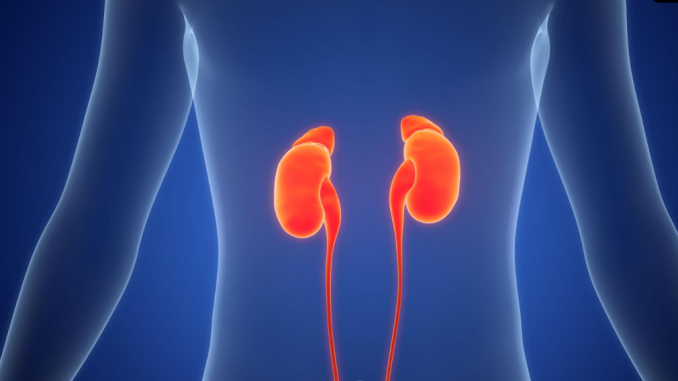
The kidneys help remove waste from the blood, regulate body fluids and support healthy blood pressure. When they are not functioning properly, waste and excess fluid may build up in the body.
Kidney disease can develop slowly, and some people experience no symptoms during the early stages. This is one reason people with diabetes, high blood pressure or a family history of kidney disease should take regular medical check-ups seriously.
Certain symptoms may suggest a problem, but they cannot confirm kidney disease on their own.
1. Changes in Urination
Passing urine more or less frequently than usual may be related to a kidney or urinary problem. Changes can also occur because of fluid intake, medicines or other conditions.
2. Swelling in the Feet and Ankles
Some kidney conditions affect the body’s ability to remove excess salt and fluid, leading to swelling in the lower legs or feet.
3. Persistent Fatigue
Kidney disease may contribute to tiredness, particularly when it affects the production of red blood cells or causes waste products to build up.
4. Foamy Urine
Persistent foamy urine can sometimes indicate excess protein in the urine, which may be a sign of kidney damage. Occasional foam does not necessarily mean there is a problem.
5. Poor Appetite or Nausea
People with more advanced kidney disease may experience nausea, reduced appetite or unexplained weight loss.
6. High Blood Pressure
High blood pressure can damage the kidneys over time, while kidney disease can make blood pressure more difficult to control.
Final Thoughts
These symptoms can have other causes, so medical tests are needed to determine whether kidney disease is present. A healthcare professional may recommend blood tests and urine tests to check kidney function. Avoid taking pain medicines or unverified herbal mixtures regularly without medical advice, as some products can harm the kidneys. Early diagnosis may help slow the progression of certain kidney conditions.
Leave a Reply