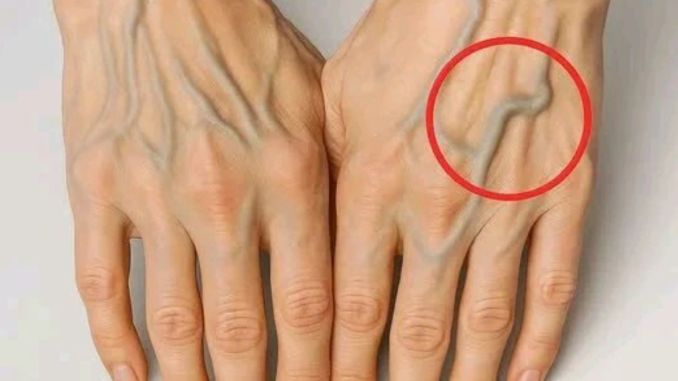
Have you ever noticed that some people’s veins are clearly visible on their hands, arms, legs or even other parts of the body? In many cases, this is completely normal. The visibility of veins can depend on several factors, including body fat, exercise, age and genetics.
1. Low Body Fat
People with lower amounts of body fat may have more visible veins because there is less tissue covering the superficial veins beneath the skin. This is particularly noticeable around the hands and arms.
2. Regular Exercise
Exercise, especially strength training, increases blood flow and can make superficial veins appear more prominent. As muscles develop, veins may also become easier to see.
3. Hot Weather
Heat can cause blood vessels near the skin to widen, which may make veins appear more noticeable. This can be temporary and usually isn’t a cause for concern.
4. Ageing
As people grow older, their skin can become thinner and less elastic. This can make veins beneath the skin easier to see.
5. Genetics
Some people naturally have more prominent superficial veins than others. Family history can also play a role in conditions such as varicose veins.
6. Pregnancy
Hormonal changes and increased blood volume during pregnancy can make veins more prominent. Pregnancy is also a risk factor for developing varicose veins.
7. Varicose Veins
Veins that become swollen, twisted or rope-like—particularly in the legs—may be varicose veins. They can sometimes cause aching, heaviness, itching or swelling.
8. An Underlying Vein Problem
Visible veins are usually harmless, but a new or suddenly prominent vein, especially when accompanied by pain, redness, swelling or tenderness, should not be ignored. Blood clots and other vein conditions can cause changes in superficial veins and require medical assessment.
Final Thoughts
Having visible veins does not automatically mean that something is wrong. For many people, it is simply a result of their body composition, genetics, exercise habits or skin characteristics.
However, seek medical advice if a vein suddenly becomes prominent or is associated with pain, swelling, redness, warmth or other unusual symptoms.
Leave a Reply