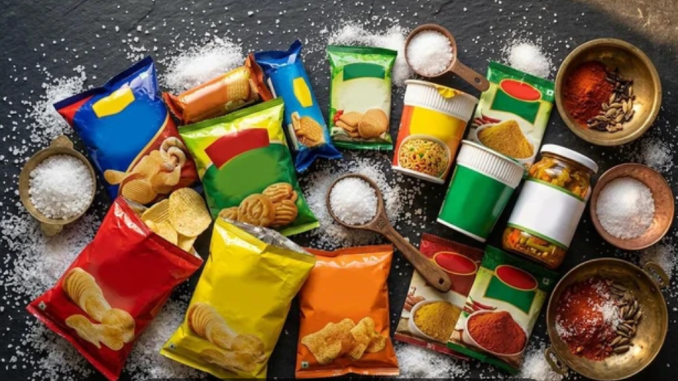
Hypertension (high blood pressure) often develops without noticeable symptoms. Many people are only diagnosed during a routine check-up. Your daily food choices can significantly raise or lower your risk.
Sodium (salt) is the main dietary culprit. The World Health Organization (WHO) recommends that adults consume less than 5 grams of salt (about one teaspoon) per day (World Health Organization, n.d.). Many of the foods listed below can easily exceed this limit without you realizing it.
Here are 10 common foods and drinks to watch out for and what to do about them.
1. Processed Meats
Sausages, bacon, ham, hot dogs, and luncheon meats are preserved with large amounts of salt. A single portion can account for a significant portion of your daily sodium intake. Choose fresh chicken, fish, or lean meat, and season it yourself.
2. Instant Noodles
Instant noodles are cheap, quick, and popular, but the flavor sachet contains a lot of salt. Eating a whole packet can use up much of your daily sodium allowance. If you eat them, use only half the seasoning and add vegetables and an egg for a more balanced meal.
3. Seasoning Cubes and Powders
Bouillon cubes are a major source of salt and are commonly used in stews, soups, and rice dishes, quickly increasing sodium intake. Regular consumption of these cubes can contribute to consistently elevated sodium levels in the diet, which may increase the risk of developing or worsening hypertension over time. For flavor, use onions, garlic, ginger, thyme, black pepper, lemon juice, and fresh herbs, and use cubes sparingly.
4. Canned Soups and Canned Vegetables
Canned foods often contain added salt to extend shelf life. Check labels and choose ‘low sodium’ or ‘no added salt’ varieties. Rinsing canned beans and vegetables under running water can also remove some sodium.
5. Salty Snacks
Chips, salted nuts, crackers, and flavored popcorn are easy to eat in large quantities. It’s hard to stop at one handful, and sodium intake increases with every bite. Unsalted nuts, fresh fruit, or plain popcorn are healthier options.
6. Fast Food and Deep-Fried Foods
Burgers, fried chicken, fries, and other fast foods are high in salt and unhealthy fats. They can contribute to weight gain and make blood pressure harder to control. Grilled, baked, or steamed foods are healthier alternatives.
7. Pizza
Pizza is often high in sodium due to the dough, cheese, sauce, and processed meat toppings. Just two or three slices can contain a large amount of salt. Choose a thin crust, limit cheese, and opt for vegetable toppings instead of cured meats.
8. Bread and Bakery Products
Bread may not taste salty, so it’s easy to overlook as a major sodium source. Because people eat it so often, sodium intake can add up quickly. Check labels and choose lower-sodium or whole-grain breads when possible.
9. Sugary Drinks
Sodas, sweetened juices, and energy drinks may not contain much sodium but are associated with weight gain and an increased risk of heart disease. Extra weight strains your heart and blood vessels. Water, plain tea, or water with lemon or cucumber are better choices.
10. Salted, Smoked and Pickled Foods
Salted fish, smoked meat, pickles, and similar foods are traditionally cured with salt and can be tasty, but they are very high in sodium. Enjoy these foods occasionally rather than regularly.
Simple Ways to Protect Your Blood Pressure
Read food labels and check the sodium content before purchasing.
Cook at home more often to control the amount of salt in your meals.
Eat more fruits and vegetables. Potassium-rich foods (bananas, spinach, beans, sweet potatoes, etc.) help counteract the effects of sodium.
Reduce salt intake gradually. Your taste buds will adjust over a few weeks.
Stay active and check your blood pressure regularly. Regular physical activity has been shown to help lower blood pressure by strengthening the heart, improving blood vessel function, and supporting overall cardiovascular health. Therefore, dietary changes are most effective when combined with regular exercise, maintaining a healthy weight, and routine health screenings.
Final Thoughts
You don’t have to eliminate every food you enjoy. The goal is awareness and moderation. Small, gradual changes like using less seasoning, reading labels, and choosing fresh foods more often can make a significant difference over time.
Disclaimer: This article is for general information purposes only and does not replace professional medical advice. If you have high blood pressure or are taking medication, consult your doctor or a qualified dietitian before making changes to your diet.
Leave a Reply